Paver Sealing Scranton
What Does Paver Sealer Actually Do?
A sealer is a surface treatment, not a protective shell that makes pavers indestructible. Depending on the product, it can help resist staining, slow UV fade, and stabilize joint material. It does not make pavers stain-proof, weed-proof, waterproof, or immune to freeze-thaw — and no sealer is permanent.
The honest value of sealing is maintenance support. A sealed surface is easier to clean, holds joint sand longer, and can keep a patio looking closer to the way it was installed. Whether it is worth doing depends on the paver, the exposure, and the look the homeowner wants — not on a blanket recommendation.
Two Finish Directions
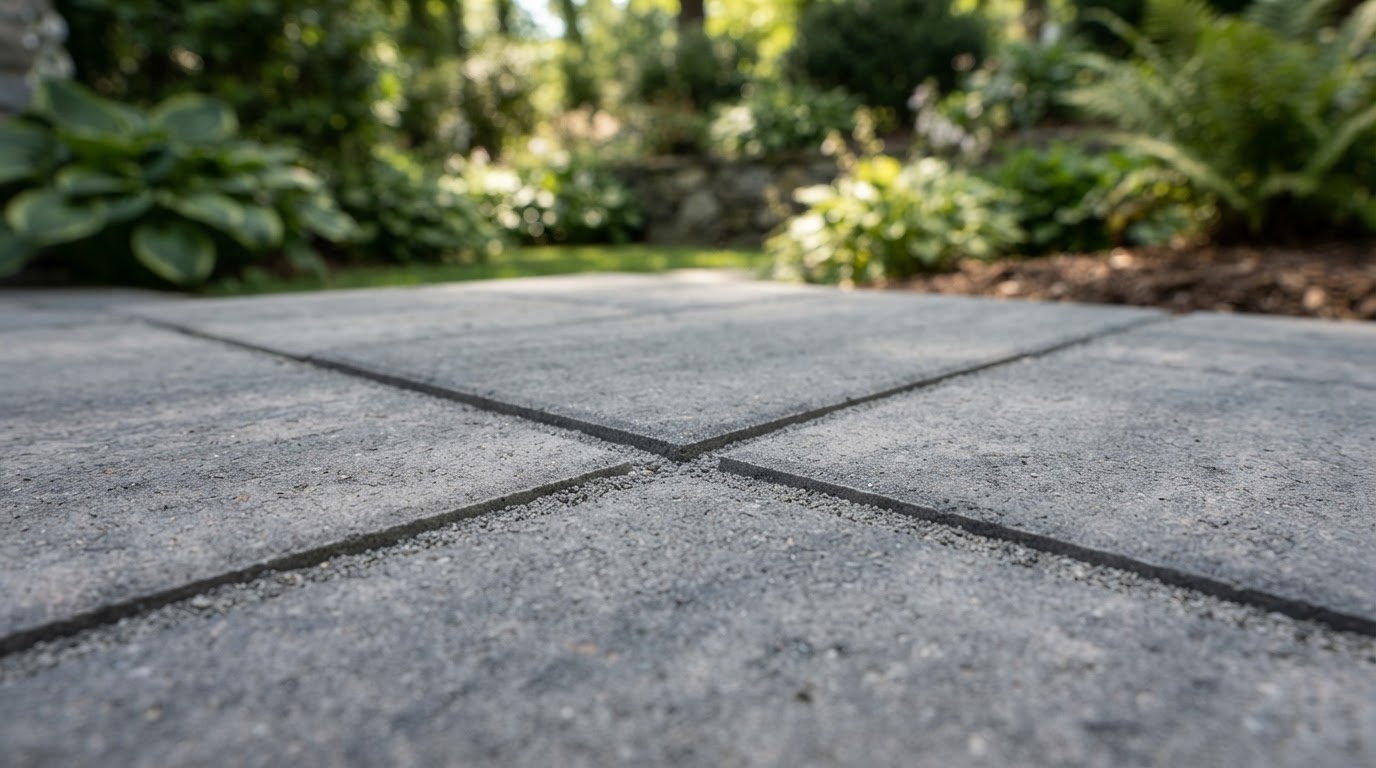
Natural-look: little to no color change, matte finish. Enhanced: deeper tone and subtle sheen. The product is matched to the finish you want.
Natural-Look vs Enhanced-Finish Considerations
The sealer changes the finish as much as it protects the surface, so the product is chosen with the desired appearance in mind. A natural-look sealer keeps the paver close to its installed color; an enhancing sealer deepens tone and adds sheen. Neither is universally better — one suits a restrained, matte design and the other a richer, more saturated look.
Natural-Look
Minimal color change, matte finish. Preserves the installed appearance of the paver while adding surface protection.
Enhanced Finish
Deeper, richer tone with subtle sheen. Brings out the color of the paver for a more saturated, wet-cast character.
Joint Stabilizing
Some sealers also help lock polymeric joint sand in place, reducing erosion and slowing joint maintenance.
Product Compatibility
Sealer must match the paver type, joint material, and application — driveway products differ from patio-grade sealers.
Preparing Pavers Before Sealing
A sealer locks in whatever is beneath it — good or bad. That is why the surface is cleaned, joints are restored, and any settlement is corrected before a sealer goes down. Sealing over dirt, open joints, or uneven pavers traps those problems under the coating and makes later correction harder.
Clean & Dry the Surface
Dirt, efflorescence, and existing coatings are addressed so the sealer bonds to the paver, not to contamination. The surface must be dry before application.
Restore Joints First
Open, eroded joints are re-sanded before sealing so the sealer can help lock the fresh joint material. Sealing over empty joints does nothing to restore them.
Repair Before Sealing
A patio with settlement, drainage problems, loose pavers, or deteriorated joints needs corrective work first. Paver patio repair and leveling come before sealing, never as an alternative to it. Sealer is not a structural repair.
Sealing in Northeastern Pennsylvania Conditions
Across the Scranton area, sealed surfaces face winter salt, snowmelt, UV exposure, and freeze-thaw cycling. A sealer can help a patio resist salt staining and slow joint erosion through the seasons, but it does not make pavers immune to winter. A driveway sealer, in particular, is chosen to stand up to vehicular traffic and de-icing exposure — not any generic product.
Salt & Stains
Sealer helps resist de-icing salt and common surface stains through winter.
UV Fade
Some sealers slow color fade from sun exposure on lighter paver surfaces.
Freeze-Thaw
Sealer does not stop freeze-thaw movement; base and drainage govern that. It supports the surface, not the structure.
Reapplication
No sealer is permanent. The surface indicates when reapplication is due based on wear and exposure.
Considering Sealing Your Pavers?
Discuss the surface, the finish you want, and whether repair or re-sanding should come first.
Paver Sealing Questions
Related Repair & Maintenance
Paver Restoration & Re-Sanding
Joint preparation that should come before sealing.
Paver Patio Repair
Correcting settlement and loose units before sealing.
Sunken Paver Repair & Leveling
Elevation correction for settled sections.
Concrete Pavers
Material context for sealed paver surfaces.